
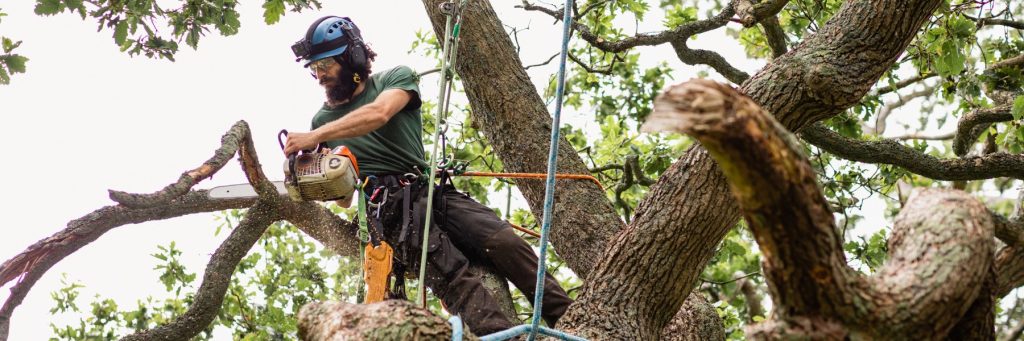
The Difference Between Pruning and Trimming
While many people use the terms interchangeably, Tree Pruning and Tree Trimming serve different purposes in arboriculture. Trimming focuses primarily on the aesthetic shape and size of the canopy, ensuring a neat appearance. Pruning, on the other hand, is dedicated to the physiological health and structural integrity of the tree.
Pruning involves the selective removal of specific branches, such as those that are diseased, damaged, or rubbing against one another. This targeted approach redirects the tree’s energy toward healthy growth, enhancing its overall vitality. Understanding this distinction is key to providing proper care for your landscape assets.
Utilizing the correct technique for each service ensures that your trees receive the exact care they need at various stages of their lifespan. While a trim might improve immediate curb appeal, a professional prune establishes a strong structural foundation that supports the tree’s development for decades.
Promoting Structural Integrity and Form
As young trees grow, they often develop structural flaws, such as co-dominant stems or weak branch attachments. Left unaddressed, these issues can lead to structural failures as the tree matures and gains weight. Strategic pruning during the early years helps establish a strong central leader and well-spaced scaffold branches.
Removing crossing or rubbing branches prevents physical wounds on the bark, which can otherwise serve as entry points for decay-causing organisms. By guiding the growth pattern early, professionals can ensure the tree develops a balanced, stable form capable of enduring diverse environmental conditions.
Proper form also ensures that weight is distributed evenly across the canopy. This balance is critical during heavy rain or wind events common in Carrollton, as balanced trees are less likely to experience branch failure under physical stress.
Stimulating Growth and Flower Production
Pruning can be used to stimulate growth in sparse areas of the canopy or encourage more abundant flowering and fruit production. By removing old, non-productive wood, the tree can allocate its water and nutrients to new, productive buds. This results in a more vibrant and lush display during the blooming season.
The timing of these cuts is critical to achieving the desired result. Pruning spring-blooming trees immediately after they flower ensures you do not cut off the buds for the following year, while summer-blooming trees are best pruned in late winter or early spring to encourage fresh, flowering wood.
This careful coordination with the tree’s natural biological clock maximizes the visual impact of your landscape. Homeowners can enjoy fuller canopies, more colorful blossoms, and healthier growth cycles by adhering to scientifically sound pruning schedules.
Professional Techniques for Long-Term Vitality
Making precise cuts requires a deep understanding of tree biology, particularly the location of the branch collar and branch bark ridge. Cutting too close to the trunk can damage the tree’s natural defense systems, while leaving long stubs can lead to decay. Professional arborists make clean cuts that facilitate rapid wound closure.
Your Local Tree Guy employs advanced techniques to preserve the health and longevity of your trees. Our experienced team assesses each tree individually, identifying specific structural needs and executing precise cuts that promote natural healing and vigorous future growth.
Regular professional care not only keeps your trees looking their best but also preserves your long-term investment in your property’s landscaping. Partnering with local experts ensures your trees receive the highest standard of care tailored to the Carrollton climate.